
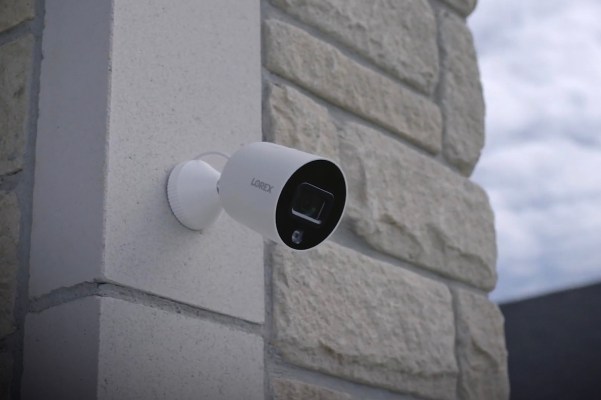
U.S. retail giants Home Depot and Best Buy have pulled the Chinese video surveillance technology makers Lorex and Ezviz from their stores over links to human rights abuses.
In a statement to TechCrunch, Home Depot said it’s “committed to upholding the highest standards of ethical sourcing and we immediately stopped selling products from Lorex when this was brought to our attention.” Home Depot also stopped selling Ezviz products, a spokesperson confirmed. Best Buy said it was “discontinuing its relationship” with both Lorex and Ezviz.
Lowe’s, which did not comment, also removed Lorex from its shelves following inquiries from TechCrunch and video surveillance news site IPVM.
Lorex is a subsidiary of Dahua Technology, and Ezviz is a video surveillance camera brand owned by Hikvision. Dahua and Hikvision, both headquartered in China, were added to the U.S. government’s economic blacklist in 2019 after the companies were linked to China’s ongoing efforts to suppress ethnic minorities in Xinjiang, where most Uighur Muslims live.
The U.S. government says Beijing relies heavily on Hikvision, Dahua and other technology companies to supply the surveillance equipment to surveil the Uighur population. The Biden administration called the human rights abuses in Xinjiang a “genocide,” and blamed Chinese video surveillance manufacturers of having “been implicated in human rights violations and abuses in the implementation of China’s campaign of repression, mass arbitrary detention, and high-technology surveillance against Uighurs, Kazakhs, and other members of Muslim minority groups.”
United Nations watchdogs say Chinese authorities have detained over a million Uighurs in internment camps in recent years. China has long denied the allegations.
But as the sanctions neither cover Dahua and Hikvision subsidiaries like Lorex and Ezviz and don’t apply outside the federal government, consumers are still broadly free to buy the technology.
Until last week, Lorex listed on its website Home Depot, Best Buy, Lowe’s, Walmart and Costo as its five authorized national retail outlets.
When reached for comment, a Lorex spokesperson said: “Lorex is fully transparent with our retail partners about our ownership and have been since the acquisition in 2018. We are also regularly in touch with representatives of those companies in regard to various regulatory and compliance issues, including addressing any questions they have about the FCC’s proposed rulemaking.”
Lorex did not respond to follow-up emails after its products were removed. Lorex removed the logos of the five retail giants from its website, though it still lists the companies — except Walmart — as retailers of its technology.
Walmart and Costco, which still stock Lorex and Ezviz technology, did not respond to requests for comment.
Dolkun Isa, the president of the World Uyghur Congress, welcomed the “meaningful actions” by the U.S. government with bans on forced labor and sanctions for Chinese companies, but said that it’s “unacceptable that there are still American companies directly helping further the repression.”
Hikvision did not respond to requests for comment by TechCrunch and IPVM.
US retail giants pull Chinese surveillance tech from shelves


